
Preserving the legacy of Bay Area Action’s environmental work from 1990–2000 and beyond.
Learn more...


In the late 1990s there were several prominent international campaigns targeting Burma’s military regime, often linking human rights, democracy, and environmental concerns. In the human-rights space, groups like Amnesty International and Human Rights Watch ran focused campaigns around 1996–1998 highlighting political imprisonment, forced labor, and crackdowns on Aung San Suu Kyi and the National League for Democracy, and urged governments such as the US to impose or strengthen sanctions. 1 2 3 4
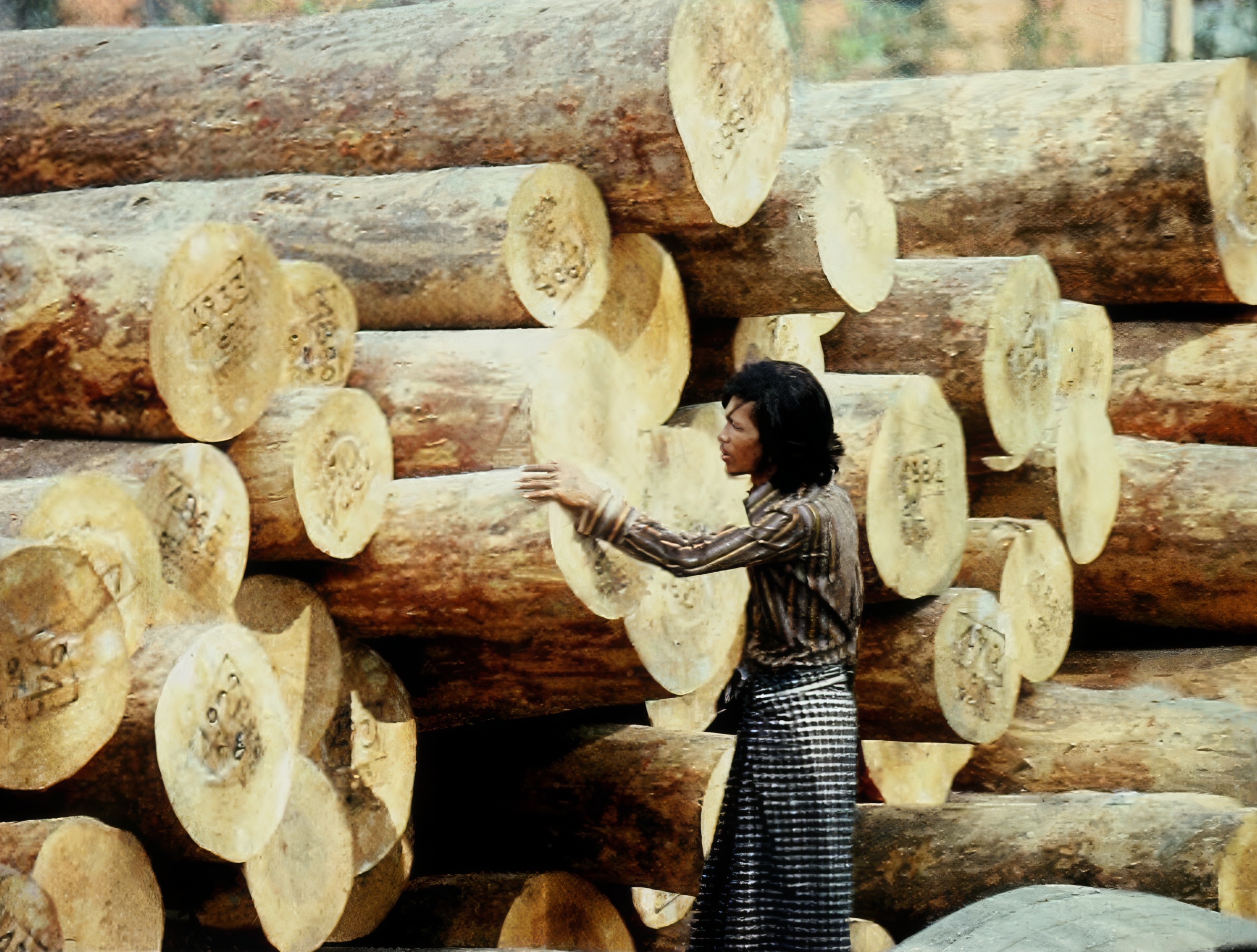
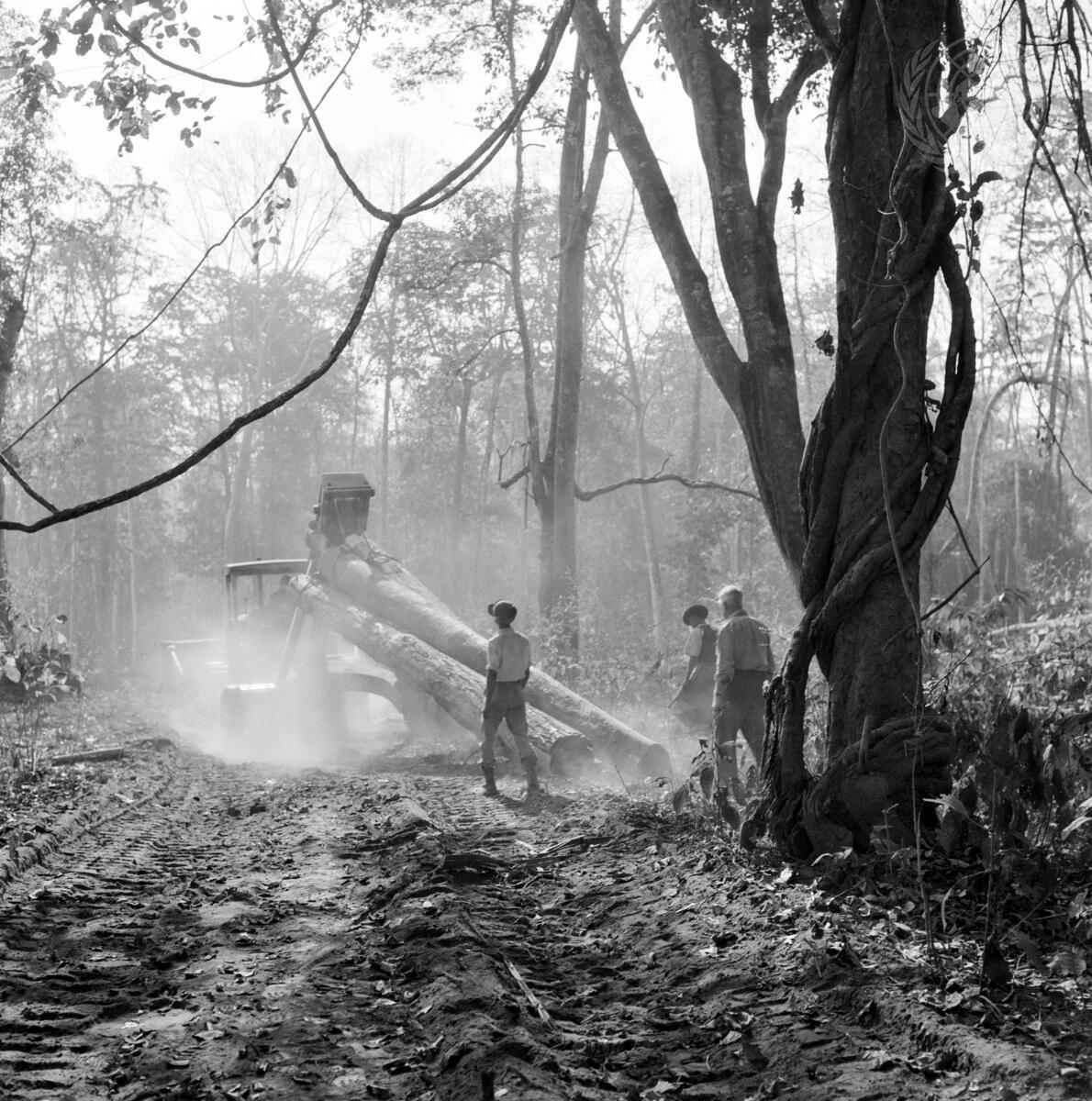
Student and grassroots networks such as the Free Burma Coalition coordinated campus divestment and boycott efforts across the US and other countries, pressuring universities, cities, and companies to cut economic ties with the junta. These activism waves contributed to policy moves like new US sanctions in 1997 and sub‑national “Burma laws” that restricted government contracts with companies doing business in Burma. Environmental and social justice organizations also campaigned against logging, pipeline, and dam projects tied to human rights abuses and ecological damage, especially along the Thai-Burma border, using Burma as a key example of how authoritarian rule, resource extraction, and environmental degradation were intertwined. 1
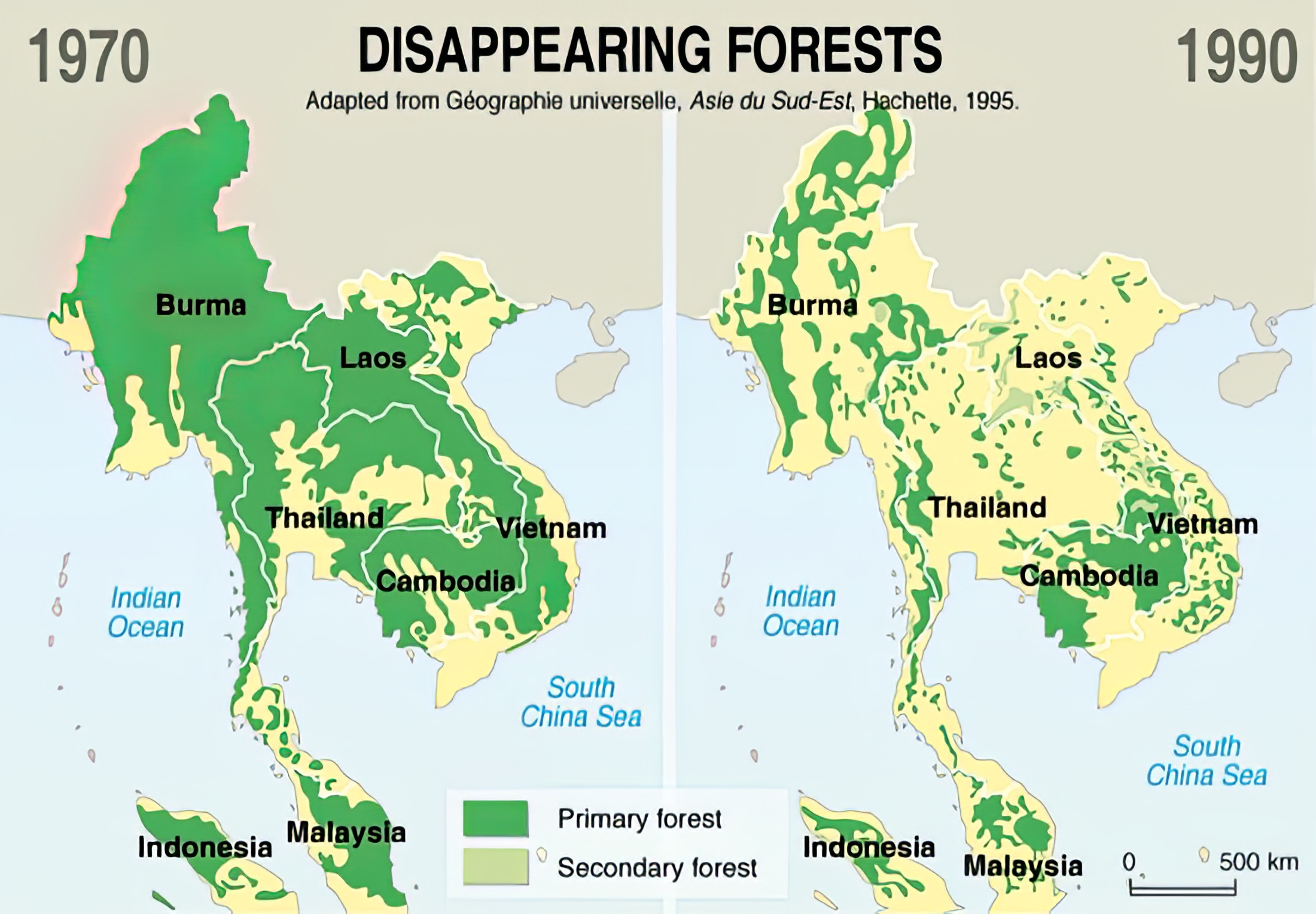
From the 1970s through the 1990s, Burma and several neighboring countries experienced substantial loss of both primary and secondary forests, with deforestation and broader environmental degradation continuing throughout the 1990s [PDF].
In the 1997 school year the High Schools Group focused on Burma, lobbying the City of Palo Alto to adopt a “selective purchasing ordinance” that would prohibit any civic purchasing from companies that did business in Burma.
“This issue encompasses human rights violations, destruction of the environment, existence of a military dictatorship, and slave labor,” wrote Kathy Tsina in the Summer 1996 BAA newsletter. “One or more of these issues reaches all members of our group, so we’re planning to personally choose issues to focus on and then educate each other.”
The BAA Archives do not clearly indicate who introduced the issue to the Schools Group, but it was decided at their retreat in May of 1996. Records of the Mill Valley-based Burma Foundation indicate BAA hosted the foundation’s slideshow sometime between 1992 and 1994, so it’s possible this was the entrée.
“Unocal, who is building a natural gas pipeline through Burma, has turned a blind eye to injustices occurring because of their project,” read an unattributed article in Shedding Light #3 · 1997–’98, the Schools Group’s newsletter. Unocal was a major investor in Burma.
Helen Sofaer was one of the students leading the campaign; she urged members of the City Council to pass the law: “It says that the police won’t buy gas from Unocal, but they don’t already, so it’s basically a political statement,” Helen told The Campanile, Palo Alto High School’s student newspaper, in the November 3, 1997, issue.
Other members involved in the campaign included:
The SG continued its focus on Burma for at least two years: There were sessions about Burma at two Deep Green conferences organized by the Schools Group, in 1996 and 1997.
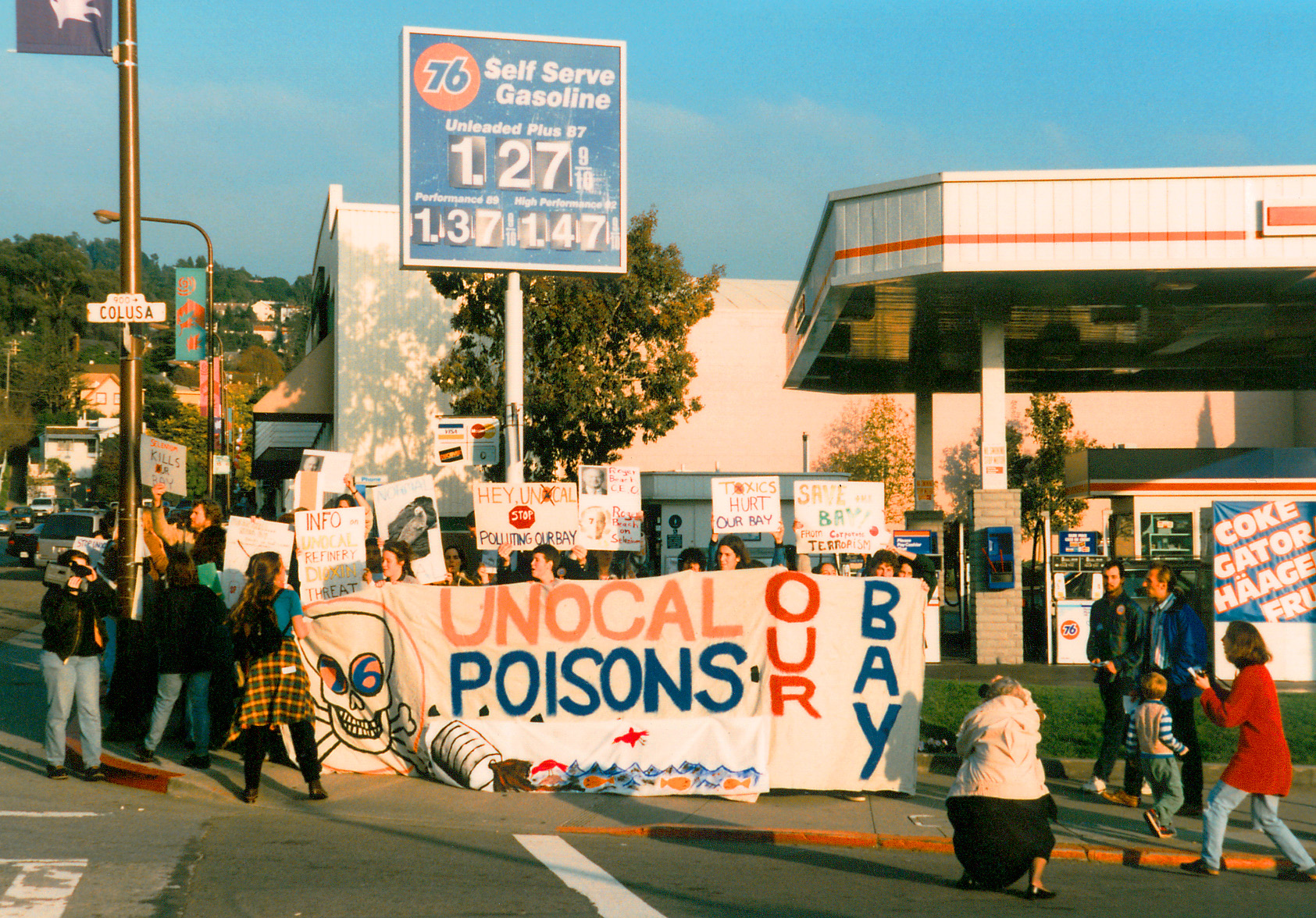
Photographic evidence exists in the BAA Archives that at some point in the 1990s the SG participated in a protest at a 76 gas station in Berkeley (Unocal is parent company to 76), although details about the demonstration, including the date, have so far remained undiscovered.
You can help! Donate or contact us to tell us your story.
.svg)